 English
 Tiếng Việt
How Wire EDM Stability Affects Precision and Surface Quality 2
Wire Electrical Discharge Machining (Wire EDM) is widely recognized for its ability to produce highly accurate components with exceptional surface finishes. Industries such as aerospace, medical devices, mold & die, and precision tooling rely on Wire EDM to manufacture parts with tight tolerances that conventional machining cannot easily achieve. However, the quality of a finished
Wire Electrical Discharge Machining (Wire EDM) is widely recognized for its ability to produce highly accurate components with exceptional surface finishes. Industries such as aerospace, medical devices, mold & die, and precision tooling rely on Wire EDM to manufacture parts with tight tolerances that conventional machining cannot easily achieve.
However, the quality of a finished part depends on more than machine accuracy alone. One of the most critical factors is process stability. Even small fluctuations during machining can lead to dimensional inaccuracies, poor surface finish, reduced cutting efficiency, and increased wire breakage.
Understanding what contributes to Wire EDM stability can help manufacturers improve productivity while maintaining consistent part quality.
What Is Wire EDM Stability?
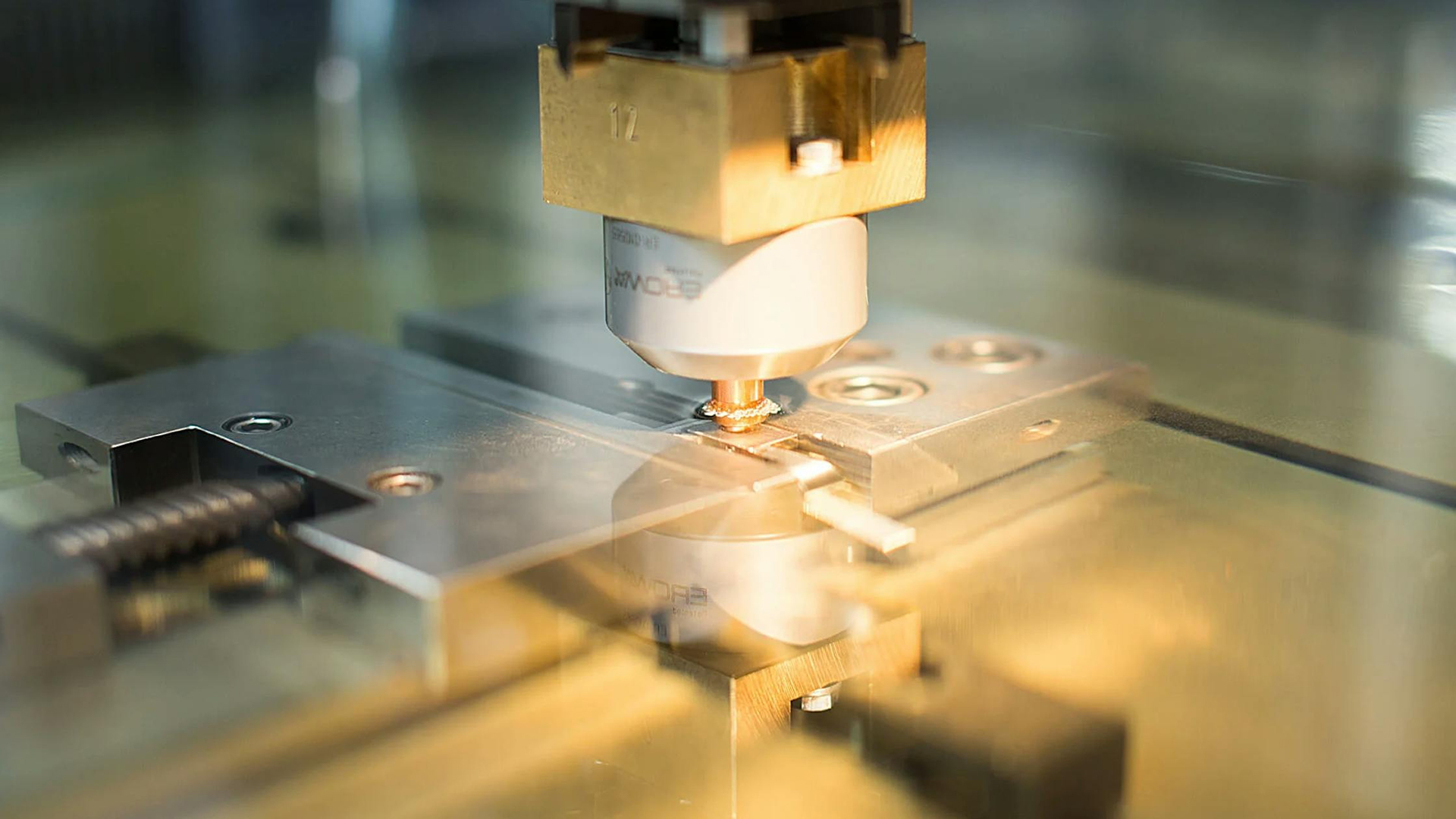
Wire EDM stability refers to the machine’s ability to maintain a consistent electrical discharge between the wire electrode and the workpiece throughout the machining process.
A stable machining condition ensures that:
- Electrical sparks remain consistent
- The wire is properly tensioned
- Dielectric water is clean and flows efficiently
- Servo control maintains an optimal spark gap
- Thermal conditions remain controlled
When all of these factors work together, the machining process becomes predictable and repeatable.
Why Stability Matters
1. Higher Dimensional Accuracy
Unstable electrical discharges create inconsistent material removal, causing variations in the machined profile.
Common problems include:
- Corner inaccuracies
- Taper errors
- Dimensional deviation
- Poor repeatability
Maintaining a stable machining gap enables the machine to follow programmed toolpaths more accurately, resulting in tighter tolerances.
2. Improved Surface Finish
Surface roughness is directly influenced by spark energy.
When discharge conditions fluctuate:
- Larger discharge craters form
- Surface texture becomes uneven
- Additional polishing may be required
A stable EDM process produces:
- Uniform spark distribution
- Fine surface texture
- Reduced recast layer
- Better cosmetic appearance
This is especially important for molds, medical components, and precision dies where surface quality is critical.
3. Reduced Wire Breakage
Unexpected wire breakage is one of the most common causes of downtime.
Typical causes include:
- Excessive discharge energy
- Poor flushing conditions
- Contaminated dielectric water
- Incorrect wire tension
- Worn consumables
A stable machining environment minimizes stress on the wire, allowing longer unattended machining cycles and higher productivity.